Industries we serve
Industry software solutions for UK sectors, built to each sector’s rules.
Our industry software solutions are apps for UK firms in fintech, insurance, healthcare, dating, property, food delivery, logistics and ecommerce. We build for 10+ industries, and discovery maps each rule your adviser confirms to a screen and fixes the price before building.
- General MVP in 8 to 14 weeks, discovery included
- Drivers’ hours become a route warning on the dispatch screen
- Code and accounts in your company name from the first commit
Rules this build is planned around
- UK GDPR and the ICOEvery organisation that uses personal information
- Consumer DutyFCA-regulated firms serving retail customers, such as fintech and insurance
- Accessibility (WCAG 2.2 AA)Users in every sector here who rely on a screen reader or larger text
- Apple and Google store rulesAny sector app that ships through the two app stores
Security and compliance
- Cyber EssentialsCertified
- Cyber Essentials PlusIndependently tested
- ISO/IEC 27001:2022Information security
- ISO 9001:2015Quality management
- ISO/IEC 42001:2023AI management
- SOC 2 Type IIAudited controls
- UK GDPR andData Protection Act 2018
- ICORegistered
- NHS DSPTData security toolkit
 WCAG 2.2 AAAccessibility
- PCI DSSCard data security
What do industry software solutions cost in the UK?
Sector rules move the price: a general MVP costs £15,000 to £40,000, while fintech, in our view the strictest, runs £40,000 to £80,000. Insurance and healthcare start at £20,000, because their rules add screens, logs and tests before launch. Prices exclude VAT. You pay by milestone. A four-screen clinic booking app costs £15,000 without sector rules and £20,000 with the health rules work. A clinic shows the rules gap clearly, and 30.8% of patients in England last tried to contact their GP practice online (GP Patient Survey 2026). Price your own industry software solutions with the calculator on this page, and see every price line we sell on our app development cost page.
- Discovery
- 2 weeks, credited against the build
- General MVP
- 8 to 14 weeks
- Highest sector MVP
- Fintech
- Lowest sector entry
- Restaurant app, 8 to 12 weeks
Rules that appear in more than one sector
These rules cross sector lines, so one map covers several; we are engineers, not lawyers, and build to what your adviser confirms.
-
UK GDPR and the ICO
- Applies to
- Every organisation that uses personal information
- What it changes in the build
- You get a data map of every field we store and a lawful basis documented before use. Health data is special category data, and large-scale use needs a DPIA. In the last 12 months, 43% of UK businesses reported a cyber breach or attack (DSIT Cyber Security Breaches Survey 2025/2026).
-
Consumer Duty
- Applies to
- FCA-regulated firms serving retail customers, such as fintech and insurance
- What it changes in the build
- Among other things, the Duty asks firms to provide clear information and effective support, and to avoid hidden costs. Insurance shows the cost of getting it wrong, with home insurance claims complaints at 7 to 13% of claims registered (FCA general insurance value measures data 2025).
-
Accessibility (WCAG 2.2 AA)
- Applies to
- Users in every sector here who rely on a screen reader or larger text
- What it changes in the build
- Healthcare lists it under DTAC, yet every full app we build, in any sector, gets the same WCAG 2.2 AA test of labels, text size and tap targets.
-
Apple and Google store rules
- Applies to
- Any sector app that ships through the two app stores
- What it changes in the build
- Sign-up in any sector brings Apple’s rule that people can delete their account from within the app. Shops selling physical goods, as in ecommerce and food delivery, take payment outside in-app purchase. Where members post or message, both stores ask for reporting and blocking.
-
Online Safety Act duties
- Applies to
- Services where members message each other
- What it changes in the build
- Ofcom’s basic measures include easy-to-find terms and a complaints tool backed by a process, so we build a report button and moderator queue. 29% of adult internet users have experienced romance or dating scams (Ofcom dating guidance, May 2026).
Industry software solutions by sector: rules and time
| Topic | Main UK rules | What the rules add to the build | Weeks |
|---|---|---|---|
| Fintech | FCA permission, Consumer Duty, APP fraud reimbursement, Open Banking, PCI DSS | Payment warning step and evidence log, hosted card fields | 12 to 16 |
| Insurance | Consumer Duty, vulnerable customers (FG21/1), Financial Ombudsman evidence | Quote summary with the main terms, support flag, complaint evidence export | 12 to 14 |
| Healthcare | UK GDPR and DPIA, DTAC, DCB0129 and DCB0160, MHRA registration | Data map and DPIA draft by week 2, hazard log, penetration test | 10 to 14 |
| Dating | Online Safety Act, age assurance, Ofcom guidance on women and girls | Report and block, moderator queue, safer default settings | 12 to 14 |
| Real estate | Right to Rent (England), anti-money-laundering supervision, Tenant Fees Act 2019 (England) | Sign-off blocked until every adult is checked, only permitted fees at payment | 10 to 12 |
| Food delivery | Allergens at two points, Natasha’s Law, rider location | Allergens at checkout and on the order slip, location shared only during a job | 8 to 12 (restaurant app) |
| Logistics | Drivers’ hours, tachograph downloads, walkaround checks | Route warning on dispatch, download due dates, daily check with defect photos | 10 to 14 |
| Ecommerce | Distance selling, UK GDPR and PECR, Strong Customer Authentication | Prices with VAT and delivery at checkout, consent screen at first launch | 8 to 14 |
Weeks include the 2-week discovery, in every table and the estimator. In our view fintech has the strictest rule set, so it heads the table.
How a rule changes a screen, one example per sector
Banks reimbursed 61% of 2025’s £576.4 million APP fraud losses (UK Finance Annual Fraud Report 2026), so payment screens need a warning step.
-
01RuleFintech: APP fraud reimbursement
Screen it changesPayment warning step and an exportable evidence log
-
02RuleInsurance: Consumer Duty, consumer understanding
Screen it changesQuote summary with the main terms
-
03RuleHealthcare: DTAC and accessibility
Screen it changesScreen reader and large-text tests to WCAG 2.2 AA
-
04RuleDating: Online Safety Act complaints tool
Screen it changesReport this profile, two taps from any profile or chat
-
05RuleReal estate: material information in listings
Screen it changesA listing form that will not publish without a price
-
06RuleFood delivery: allergens before the purchase
Screen it changesCheckout lists each dish’s allergens before payment
-
07RuleLogistics: drivers’ hours
Screen it changesRoute warning on the dispatch screen
-
08RuleEcommerce: online and distance selling
Screen it changesCheckout shows prices with VAT and delivery
What does a filled-in rules map look like?
Five pre-launch rows from an imaginary home insurance app’s rules map.
| Rule | Screen or export | How it is tested | Sign-off owner on your side | Status |
|---|---|---|---|---|
| Consumer Duty: consumer understanding | Quote summary with the main terms | Five customers or brokers try it first | Compliance lead | Tested |
| Consumer Duty: consumer support | Cancel and renew screens | Taps counted: no more than buying | Compliance lead | Tested |
| Financial Ombudsman Service evidence | Complaint evidence export | Rehearsed on ten sample policies | Compliance lead | Changed after review: now attaches the terms in force at renewal, not today’s |
| Financial Ombudsman Service evidence: contact records | Complaint evidence export | Same rehearsal | Compliance lead | Open: phone notes missing; phone system link booked for the next build |
| Solvency UK reporting | Reporting export | Checked against the written field list | Actuarial team | Signed off |
An example, not a client record. The open phone-notes row moves to the fix list with a named owner.
Building in industries we serve means rules you cannot get wrong. Talk them through with the developers who would build to them.
Book a free 30-minute callIndustry software solutions: what each sector MVP includes
What each sector MVP covers. Discovery fixes the price, and the calculator below prices your own mix, excluding VAT.
- 01
General MVP, no sector rules
Quoted after discovery
8 to 14 weeks
Core features, admin panel, store launch.
- 02
Fintech MVP
Quoted after discovery
12 to 16 weeks
Identity check, one money flow.
- 03
Insurance MVP
Quoted after discovery
12 to 14 weeks
One product line, one system connection.
- 04
Healthcare MVP
Quoted after discovery
10 to 14 weeks
Audit log, technical DPIA, penetration test.
- 05
Niche dating MVP
Quoted after discovery
12 to 14 weeks
Chat, selfie check, report and block.
- 06
Property MVP
Quoted after discovery
10 to 12 weeks
One workflow, agent dashboard.
- 07
Restaurant app, food delivery
Quoted after discovery
8 to 12 weeks
Order screen, payments, allergen fields.
- 08
Logistics MVP
Quoted after discovery
10 to 14 weeks
Driver app, proof of delivery, dispatch.
- 09
Shopping app MVP
Quoted after discovery
8 to 14 weeks
Catalogue, basket, checkout.
Every sector row above starts with the same discovery fee, which is credited against that sector’s build.
Sector apps we have built
One healthcare example from the many apps we have built.
- Healthcare
MyUTHealth: patient portal app
What we built
Booking, results and doctor messages sat in separate tools, so we built MyUTHealth for a health provider. It is one Android app on HL7 FHIR APIs, covering appointments, results, repeat prescriptions and care team messages.
Read the MyUTHealth case study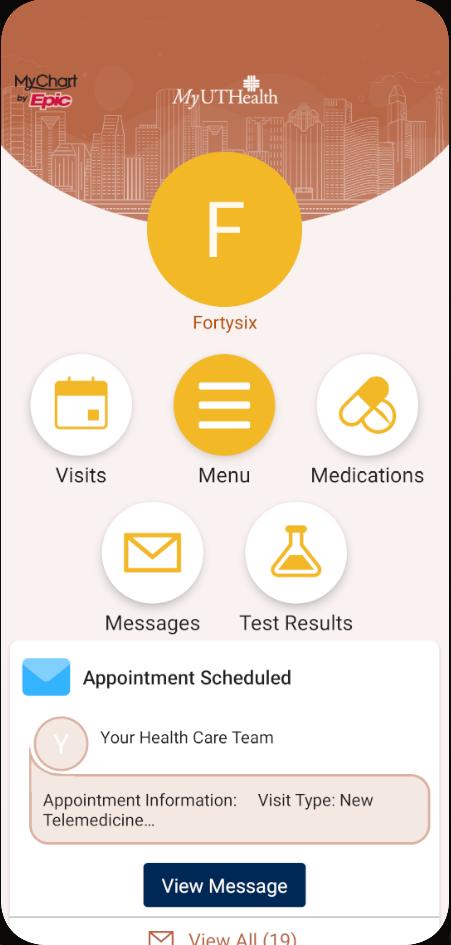
A regulated launch cannot slip. More than 95% of our projects are delivered on or before the agreed date.
- 95%+ delivered on or before the agreed date
- 60% of clients come back for a second project
- 3 months of fixes after launch in the build price
Does your supplier need to know your sector?
Ask any supplier which screen a rule changes.
How much does sector knowledge matter for your app?
-
IfThe app moves money or holds health data, or a regulator sets its wording
ChooseYes, choose a team that maps sector rules
Rules decide screens, tests and price, so ask to see a rules map.
-
IfA public app with accounts but no regulated product
ChooseIt helps, but it is not essential
A good team with a UK GDPR, store rules and accessibility checklist will do.
-
IfAn internal tool with no personal data
ChooseRarely
Spend on the workflow instead.
-
IfYou are not sure whether a rule applies
ChooseAsk your adviser first
Your adviser confirms the legal position, and we build to it.
Estimate your sector build in a minute
Pick your sector and any additions. We reply to new enquiries within 30 minutes.
Included to start: Discovery, rules map and a fixed quote, credited against the build. 2 to 2 weeks.
What we plan before the first screen
- 01
Rules map
Each confirmed rule and the screen or export it changes.
Delivered with the fixed quote.
- 02
Data map
Every field we store, where and until when.
Agreed before design.
- 03
Sign-off owner on your side
Clinical safety officer, compliance lead or nominated officer.
Named before the first sprint.
- 04
Test report
Each rule’s screen tested before release, open items listed.
You decide whether launch waits.
How we build industry software solutions
A project team is usually 4 to 6 people. More than 95% of our projects are delivered on or before the agreed date. If we do not deliver what the written scope promises, we refund what you paid for the undelivered work within 7 days.
- 2 weeks
Discovery and rules map
Scope, clickable prototype, rules map, fixed quote.
-
Design and user tests
Key screens tried by five real users.
-
Build sprints
Two-week sprints, a working build after each.
-
Testing and launch
Each rule’s screen tested, then launch under your accounts.
- Monthly
Run and improve
Three months of fixes come with every sector build, and a monthly support plan can follow.
Need a price before you go to the board? A two-week discovery ends in one fixed figure, and you own the code from the first commit.
Ask what this would costThree ways to work with us
Pick by how much you can write down today. Prices in pounds, excluding VAT.
-
Fixed-price build
Best whenYou can say what the product must do, and want one figure before work starts.
Price
- MVP from £15,000, 8 to 14 weeks
- Two weeks of discovery first, its fee taken off the build price
- Full iPhone and Android app in 4 to 8 months
Terms
- One fixed figure in writing after discovery
- Fixes for 90 days after launch included
- If we do not deliver what the written scope promises, we refund what you paid for the undelivered work within 7 days.
You own the code, designs and accounts from the first commit.
Start with discovery -
Dedicated developers
Best whenYou have a product lead and a backlog, and need more hands on it.
Price
- Engineer from £450 a day
- Senior engineers and tech leads at higher day rates
Terms
- Billed monthly for the days worked
- Three-month minimum, then 30 days’ notice
- End within the first 10 working days with nothing owed
- A replacement within 5 working days if someone is not the right fit
The work passes to you as each monthly invoice is paid; accounts stay in your name.
Hire app developers -
Support plan
Best whenThe product is live and must stay fast, secure and current with new phone and model releases.
Price
- From £750 a month
- The first 90 days of fixes come with the build
Terms
- Three-month minimum, then 30 days’ notice
- Security patches, compatibility checks and a monthly report
Nothing moves to us: code, stores and cloud stay in your accounts.
See support plans
Before the call: the one-page scope template
The ten questions discovery starts with: users, the jobs they need done, systems to connect, rules, deadline and budget. Fill it in, attach nothing else, and the first call starts at the right place.
Technology we use for industries we serve
Native or cross-platform, picked in discovery for your users, with a Node.js or Python back end and a UK cloud region.
-
iPhone, iPad and Apple TV
-
 SwiftGeneral-purpose language for all Apple platforms and servers
-
 SwiftUIDeclarative screens for every Apple platform
-
-
Android apps
-
 KotlinGoogle’s preferred language for Android
-
 Jetpack ComposeAndroid’s current toolkit for screens
-
-
Cross-platform apps
-
 FlutterMobile, web and desktop apps from one codebase
-
 React NativeNative Android and iOS apps built with React
-
-
Web apps and design
-
 FigmaScreens and clickable prototypes you can test
-
 TypeScriptTyped JavaScript that catches errors early
-
-
Back end and AI services
-
 Node.jsJavaScript runtime for scalable network applications
-
 PythonLanguage for web development and scientific work
-
-
Databases and live data
-
 PostgreSQLOpen-source database; pgvector adds vector search
-
 RedisIn-memory store for caching and live messages
-
 FirebaseFirestore and Realtime Database: store and sync app data
-
-
Cloud and DevOps
-
 AWSCloud hosting with a London region
-
 CloudflareContent delivery, caching and attack protection
-
-
Releases and monitoring
-
 GitHub ActionsCI/CD platform to automate build, test and deployment
-
 SentryCaptures errors and alerts you with full context
-
Industry specific software: questions buyers ask
Ask us at info@appagentix.co.ukWhat software performs functions specific to a business or industry?
Industry specific software, also called vertical software, does jobs only one sector needs, such as a checkout listing each dish’s allergens.
What are industry specific softwares?
They are apps and systems built around one sector’s work and rules. Examples we build include insurance quote and claims apps, patient and clinician apps planned around NHS DTAC, driver and dispatch tools and shopping apps.
What does a software solutions company do?
As a software solutions company, we plan, build and launch apps and systems for other businesses, to each UK sector’s rules. We build for 10+ industries, and discovery maps each rule your adviser confirms to a screen before building starts. Drivers’ hours, for example, become a route warning on a logistics dispatch screen, and the price is fixed after discovery.
Which sector involves software development?
Every sector does, but the rules differ. In our view finance, insurance, health and dating carry the most rules work, so their MVPs cost more and take longer than a general one. Property, food delivery and ecommerce have rules too, such as Right to Rent checks in England and allergen information.
What fields use software development?
Almost every field. The core build is the same; the rules work in discovery moves the price.
How much does custom software development cost in 2026?
With us, a sector MVP in 2026 costs from £15,000 for a restaurant or logistics app to £80,000 for fintech, excluding VAT. Insurance and healthcare cost more than a general MVP, because their rules add screens, logs and tests before launch.
Sector pages and services
-
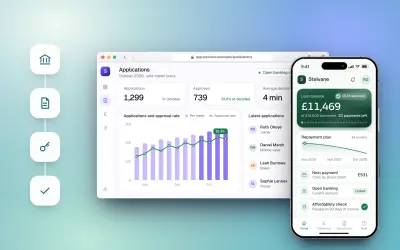 FintechBanking, payments and lending apps.
-
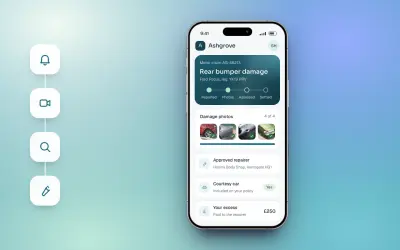 InsuranceQuotes, claims and policy apps.
-
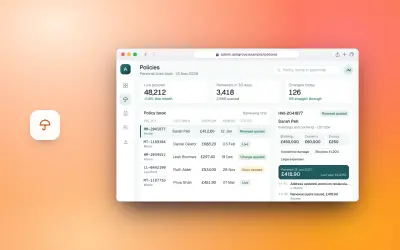 Insurance softwarePolicy, claims, underwriting and broker platforms.
-
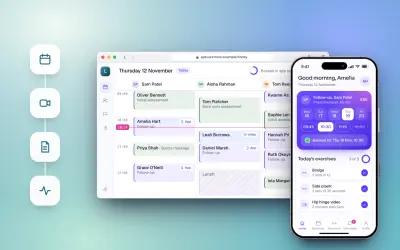 HealthcarePatient, clinic and care apps.
-
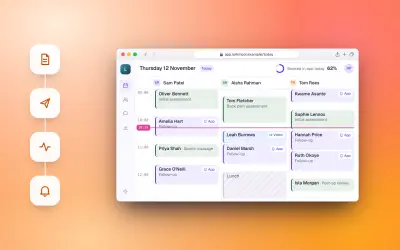 Healthcare softwareRecords, scheduling and clinical platforms.
-
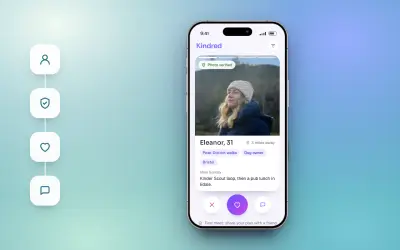 DatingMatching, chat and safety features.
-
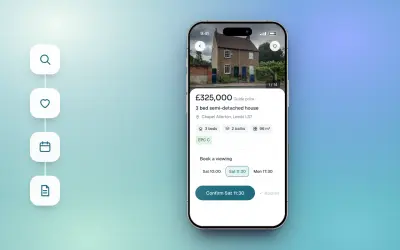 Real estateProperty search, lettings and tenant apps.
-
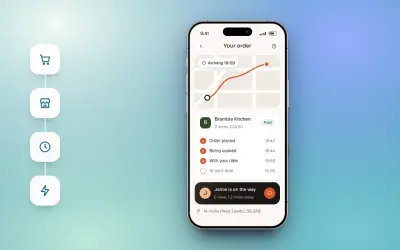 Food deliveryOrdering, kitchen and courier apps.
-
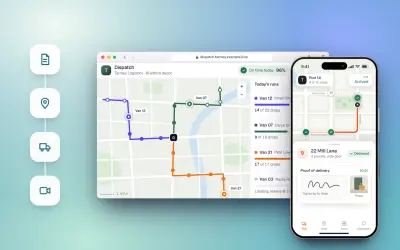 LogisticsDriver, depot and tracking apps.
-
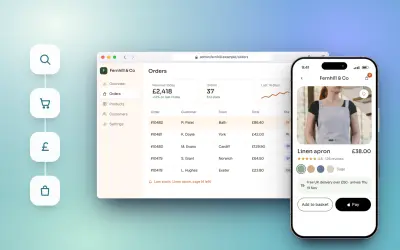 EcommerceShopping apps and online stores.
-
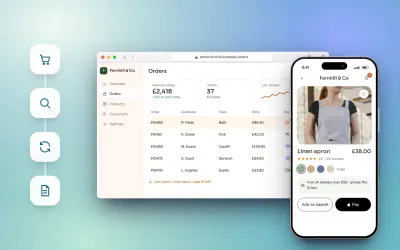 RetailStore, stock and point-of-sale tools.
-
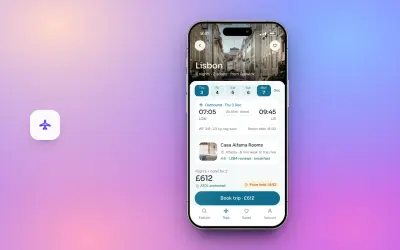 TravelBooking, check-in and guest apps.
-
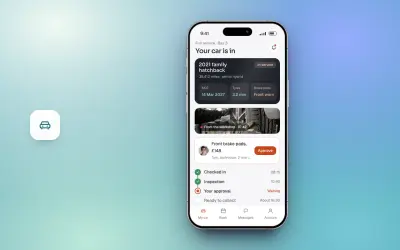 AutomotiveDealer, service and driver apps.
-
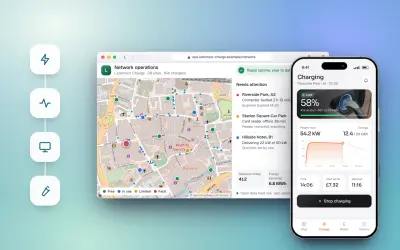 EV chargingCharging, payment and fleet apps.
-
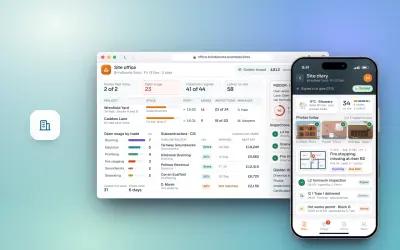 ConstructionSite, safety and project software.
-
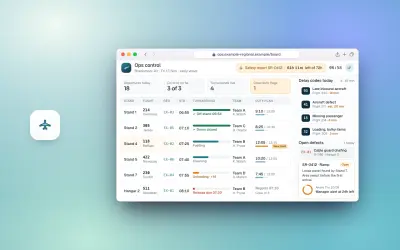 AviationMaintenance, crew and ground software.
-
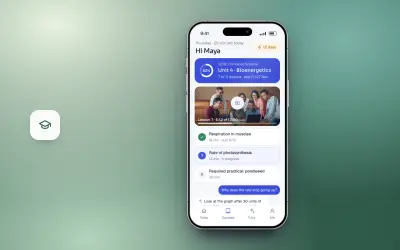 AI in educationLearning platforms with AI tutors.
-
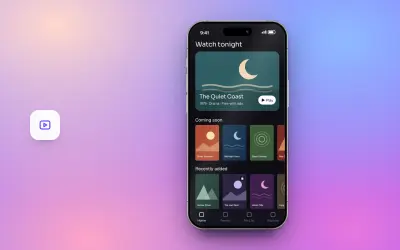 Media and entertainmentStreaming, content and fan apps.
-
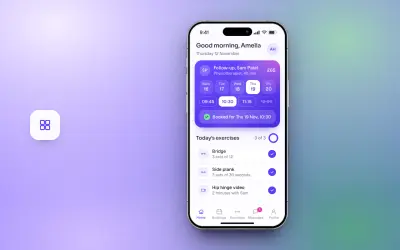 ServicesEvery service, from first sketch to support.
-
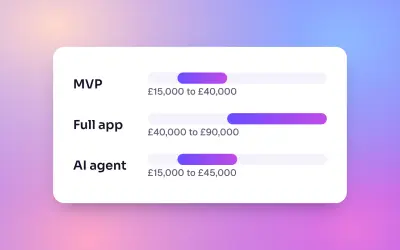 PricingWhat apps and AI agents cost, in pounds.
Most app projects run late. Let’s make yours the one that ships.
More than 95% of our projects are delivered on or before the agreed date. About 60% of our clients come back for a second project.
What happens next
- We reply within 30 minutesEvery day of the year. A developer at our app development company, not a sales team, reads your brief.
- A 30-minute callWe ask about users, deadlines and the systems you already run.
- A written view in two working daysScope, timeline and a price range, yours to keep.
A developer, not a sales team, reads it. We reply within 30 minutes, from info@appagentix.co.uk.