We are an app development company working with Oxford businesses. We build apps for iPhone and Android, and our Oxford representative meets you in person, usually within a day or two of your first message. That covers anything from a spin-out’s test version to a course or patient app. Discovery takes two weeks and ends in one fixed price. After launch, we keep the app running.
A spin-out’s first version (MVP) usually takes 9 to 10 weeks
Your company owns the code, designs and store accounts
A tested build reaches your phone every second week
Security and compliance
Cyber Essentials Certified
Cyber Essentials Plus Independently tested
ISO/IEC 27001:2022 Information security
ISO 9001:2015 Quality management
ISO/IEC 42001:2023 AI management
SOC 2 Type II Audited controls
UK GDPR and Data Protection Act 2018
ICO Registered
NHS DSPT Data security toolkit
WCAG 2.2 AA Accessibility
PCI DSS Card data security
What does an app development company in Oxford do?
It turns your idea into a mobile app on people’s phones and keeps it working afterwards. With us, a two-week discovery fixes the scope and a single price. A clickable design goes to five people from your audience before development starts. Every release is tried on physical iPhones and Android handsets, published on Apple’s App Store and on Google Play under your accounts, and maintained once people rely on it.
First call
30 minutes, free
Quote
One fixed price after discovery
Builds
On your phone each fortnight
After launch
Three months of fixes included
Oxford
An app development company for Oxford founders, spin-outs and firms
Many Oxford projects begin in a lab, a lecture room or a clinic, where someone has an idea that needs to reach people’s phones and no team to build it. Others come from firms that already sell a service and want customers, learners or patients to use it in an app. A first message gets an answer from us within 30 minutes.
We meet clients in Oxford, at your department, your science park office, your hospital site or a room you book. The discovery kick-off can be held in Oxford too, and any later visits are agreed in the written scope.
From the first commit, your company owns the code, the editable designs, the AI prompts and the Apple and Google Play developer accounts. A spin-out that later raises money or hires its own developers keeps all of it.
Oxford’s jobs lean towards education, health and research. So we plan for the person holding the phone: a learner between lectures, a patient at home, an engineer on a test site. Each tile below is a sector we often plan apps for in Oxford.
Apps that feel at home on both platforms. Usually one Flutter or React Native codebase serves both, so you pay for one build, not two. Native Swift or Kotlin is used when a feature needs the phone’s own hardware.
In Oxford
The garage app shown here: the car’s service status, a photo from the workshop and an extra repair waiting for the owner’s approval.
Priced
Tick both phones in the estimator to see what a second platform adds to the course app base.
Everything behind the screens: hosting, the database, user log-in, a panel your staff work from, and connections to the records or booking systems you keep.
In Oxford
For an engineering team on a test site, a task card like the one shown here can be completed with no signal and synced to the staff panel later.
Chosen in discovery
Firebase, Supabase or a PostgreSQL server, depending on the data, the systems already in place and who will run it after us.
App development for the sectors Oxford is known for
01
Education and publishing
Course and revision apps with lessons, quizzes and progress, built to WCAG 2.2 AA so every learner can use them. The example scope further down is one of these.
02
Health and the NHS
Patient apps for bookings, reminders and home exercises, planned around what Health for Me, the hospital trust’s own portal, already shows.
03
University spin-outs
A first version that shows investors the idea working, with the code and store accounts already in the company’s name when it raises money.
04
Science and engineering
Field and lab apps that record readings or tasks with no signal and sync them to a staff panel once the phone reconnects.
05
Automotive
Customer apps for garages and dealers: service status, workshop photos and approval of extra work from the phone.
06
AI features
A tutor, a form checker or an enquiry router added to an app you already run, tested on your own cases, in 6 to 10 weeks.
Why Oxford teams choose our app developers
2019when we began building apps
Apps since 2019
The UK is one of more than 11 countries we have clients in, across more than 10 industries.
2app stores we publish on, under your accounts
Your stores, your accounts
Listings, review questions and publishing, all through developer accounts registered to your company.
5people from your audience test the design first
Screens tried before code
Each release is tested on physical iPhones and Android phones, with a written report of open items.
10 minvideo tour recorded for every new build
A build every second week
A dated build every second Friday, and one named person who answers on working days.
20 to 40apps in the stores that we currently maintain
Support once it is live
Three months of fixes in the price, then fixes, system updates and a monthly report.
7 daysto refund paid work we did not deliver
A fixed price and a refund promise
One fixed quote after discovery, and a refund within 7 days for any promised work we did not deliver.
On time, as agreed
More than 95% of our projects finish by the agreed date, and scope changes are priced in writing first.
Apps another team left behind
A free check of the accounts, the build and the libraries, then a written plan. Accounts move to your name first.
Planning an app for your Oxford business? Talk it through with the developers who would build it, in a free 30-minute call.
Ifpeople will open it often and need alerts, the camera or offline use
ChooseA cross-platform app
One Flutter or React Native codebase gives you both stores for less than two separate builds, and both apps stay in step.
Ifthe feature depends on one phone’s hardware, such as a sensor or a lab device
ChooseA native app
Swift for iPhone and Kotlin for Android get the most from the device, at the cost of two codebases to look after.
Ifpeople will use it now and then, mostly at a desk
ChooseA web app first
It needs no store review and costs less. We say so in discovery when that is the better answer, and the estimator’s web option shows the same code serving both later.
How our app development process runs, step by step
From the free first call to both stores, a first version usually takes 9 to 10 weeks.
Technology our app developers use for Oxford projects
We pick the tools in discovery, from the app’s job and from who will maintain it after launch.
Shared code for iPhone and Android
Flutter
Dart
React Native
React
TypeScript
Expo
Flutter, written in Dart, or React Native with TypeScript, so one team keeps both apps alike. Expo handles builds, store launches and updates for React Native apps.
Native code for device-heavy apps
Swift
Xcode
Kotlin
Jetpack Compose
Android Studio
Swift in Xcode for the iPhone, and Kotlin with Jetpack Compose in Android Studio, used when the phone’s own hardware carries the feature.
Servers and data
Supabase
PostgreSQL
Node.js
FastAPI
AWS
Google Cloud
Supabase or PostgreSQL for the data, with Node.js or FastAPI services, hosted on AWS or Google Cloud in a London region.
Design, testing and release
Figma
Google Play
Sentry
Figma for the clickable screens your users try, Apple and Google Play test tracks before each release, and Sentry to alert us to errors after launch.
Three ways to work with our app development team
Pick how you pay by how firm your plans are today.
Topic
What it means
Best for, in Oxford
Worth knowing
Fixed price
Discovery sets the scope and one quote, and you pay by milestone.
A firm or spin-out that knows the journey it needs, such as a course app or a patient booking app.
You know the total before work starts, and extra requests get a written price first.
Time and materials
You pay for the days worked, and priorities can change after each two-week sprint.
A research team still learning what its users want from the app.
A new build every fortnight lets you change direction at any sprint.
Dedicated team
Our developers join your staff and take tasks from your own backlog.
A funded startup whose product lead wants mobile developers for a few months.
Everything we write lives in your repository, so new staff of yours can carry it on.
Health and learning apps from our portfolio
A few examples from the many apps we have built, each with the result it delivered for its owner.
9:41
Patient portal
MyUTHealth
Rated 4.4 by more than 750 reviewers, with 50,000+ installs on Google Play
What we built
Patients had been phoning the clinic for bookings, results and questions. Now visit requests, test results, medicine reorders, messages to the care team and Google Fit readings sit in one Android app on Epic MyChart. Oxford University Hospitals patients use a portal of this kind, Health for Me.
Staff had chased applicants by hand, and learners worked across separate tools. One route on web and React Native now runs from course comparison and call booking to a learning hub, cohorts and an employer portal. It serves education, which holds the largest share of jobs in Oxford.
“Our patients needed the portal in their pocket: requesting visits, reading test results, reordering medicines and messaging their care team. AppAgentix built the Android app on our Epic MyChart system, careful where it matters: secure sign-in, no clinical detail on the lock screen, and patients choose what fitness data they share. The app has passed 50,000 downloads with 4.4 stars from over 750 reviews, and every release was tested before it reached our patients.”
“We needed one platform for the whole journey: comparing courses, booking a call, applying, then learning. AppAgentix built the website, the learning hub and the mobile app. Admissions now move 45% faster and information calls are up 38%. More than 5,000 learners use it, and 92% complete their course. They understood how a school actually runs, not just how to write the code.”
“We wanted one streaming service that felt the same on phone, tablet and TV, whether people watch free with adverts, subscribe or rent a film. AppAgentix built the apps for iPhone, iPad, Android and Apple TV and the service behind them. They got the hard parts right: playback that starts quickly, a home screen that works with a TV remote, and billing that stays correct. The Android app has passed 50,000 downloads.”
Oxfordshire’s Growth Hub, a company owned by Oxfordshire County Council
A free Business Support Tool that returns an action plan, plus no-cost support, events and workshops
Businesses and individuals in Oxfordshire
Open; its partners are reviewing the Growth Hub’s future role, to take effect from 1 April 2027
BIPC Oxfordshire
Oxfordshire County Council, at Oxford Westgate Library
One-to-one advice, market research tools, workshops, co-working and a grant-finder database
Entrepreneurs, start-ups, small businesses and anyone with a business idea
Free; one-to-one sessions are booked online
Oxford Innovation Finance
An FCA-regulated firm running the OION angel network and an EIS growth fund
Introductions to angel investors, with help on pitches, follow-up meetings and due diligence
Innovation-led UK companies registered for EIS or SEIS, raising early-stage investment
Companies register online and hear back in 7 to 10 working days; pitching at a showcase costs £450 plus VAT, with a 6% success fee on funds raised
An investor or programme that wants to see a plan can be sent our discovery scope. No programme guarantees support, and each body makes its own decision. Details change, so read each body’s own page before you apply.
Estimate your Oxford course app in a minute
Each tick starts from the course app scope above, so change any of them to see the price and weeks move.
Included to start: Discovery, design, the learning journey, accounts and store launch. 9 to 10 weeks.
Rules to screens
UK rules for a learning or health app in Oxford
Each rule below changes a screen we plan in discovery, and none of this is legal advice.
With us, a first version (MVP) is usually priced at £15,000 to £40,000, discovery included, and most take 9 to 10 weeks; a larger first version can take up to 14. A full app for iPhone and Android is usually £40,000 to £90,000 over 4 to 8 months, before VAT, as of November 2026. Discovery turns your choices into one fixed price, and the estimator on this page shows the range move as you tick features.
How much to build an MVP?
It depends on the one journey the first version has to prove. For the course app scoped on this page, the estimator’s default choices come to £22,500 to £37,500 over 11 to 14 weeks, before VAT. That is longer than the 9 to 10 week base because payments and a tutor panel are ticked. Leaving out payments or the tutor panel brings it down, and saving quiz answers offline adds the most.
Should I make a website or app?
Make an app when people will use it often, need it offline, or rely on alerts, the camera or other phone features. If they will visit now and then, a website or web app costs less and needs no store review. We tell you which in discovery, and one codebase can give you both later.
What are the key differences between cross-platform and native mobile app development?
Cross-platform development writes one codebase, in Flutter or React Native, that runs on iPhone and Android, so it costs less and both apps stay in step. Native development writes two apps, in Swift and Kotlin, and gets the most from each phone’s hardware. We recommend one in discovery, based on the features your app needs.
How to develop an app step by step?
Agree the scope and price in discovery, then design the screens and test them with users. Build in two-week sprints with a new build on your phone each time, test on real devices, and launch on both stores. A first version usually takes us 9 to 10 weeks, and three months of fixes follow launch.
Most app projects run late. Let’s make yours the one that ships.
More than 95% of our projects are delivered on or before the agreed date. About 60% of our clients come back for a second project.
What happens next
1We reply within 30 minutesEvery day of the year. A developer at our app development company, not a sales team, reads your brief.
2A 30-minute callWe ask about users, deadlines and the systems you already run.
3A written view in two working daysScope, timeline and a price range, yours to keep.
Thank you. Your brief is in.
A developer, not a sales team, reads it. We reply within 30 minutes, from info@appagentix.co.uk.
We use cookies to run this site and, with your permission, to understand how it is used. Cookie policy · Privacy policy
Most app projects run late. Let’s make yours the one that ships.
More than 95% of our projects are delivered on or before the agreed date. About 60% of our clients come back for a second project.
What happens next
1We reply within 30 minutesEvery day of the year. A developer at our app development company, not a sales team, reads your brief.
2A 30-minute callWe ask about users, deadlines and the systems you already run.
3A written view in two working daysScope, timeline and a price range, yours to keep.
We wanted one streaming service that felt the same on phone, tablet and TV, whether people watch free with adverts, subscribe or rent a film. AppAgentix built the apps for iPhone, iPad, Android and Apple TV and the service behind them. They got the hard parts right: playback that starts quickly, a home screen that works with a TV remote, and billing that stays correct. The Android app has passed 50,000 downloads.
Michael S.CEO and Co-Founder, Play Now Media
Thank you. Your brief is in.
A developer, not a sales team, reads it. We reply within 30 minutes, from info@appagentix.co.uk.
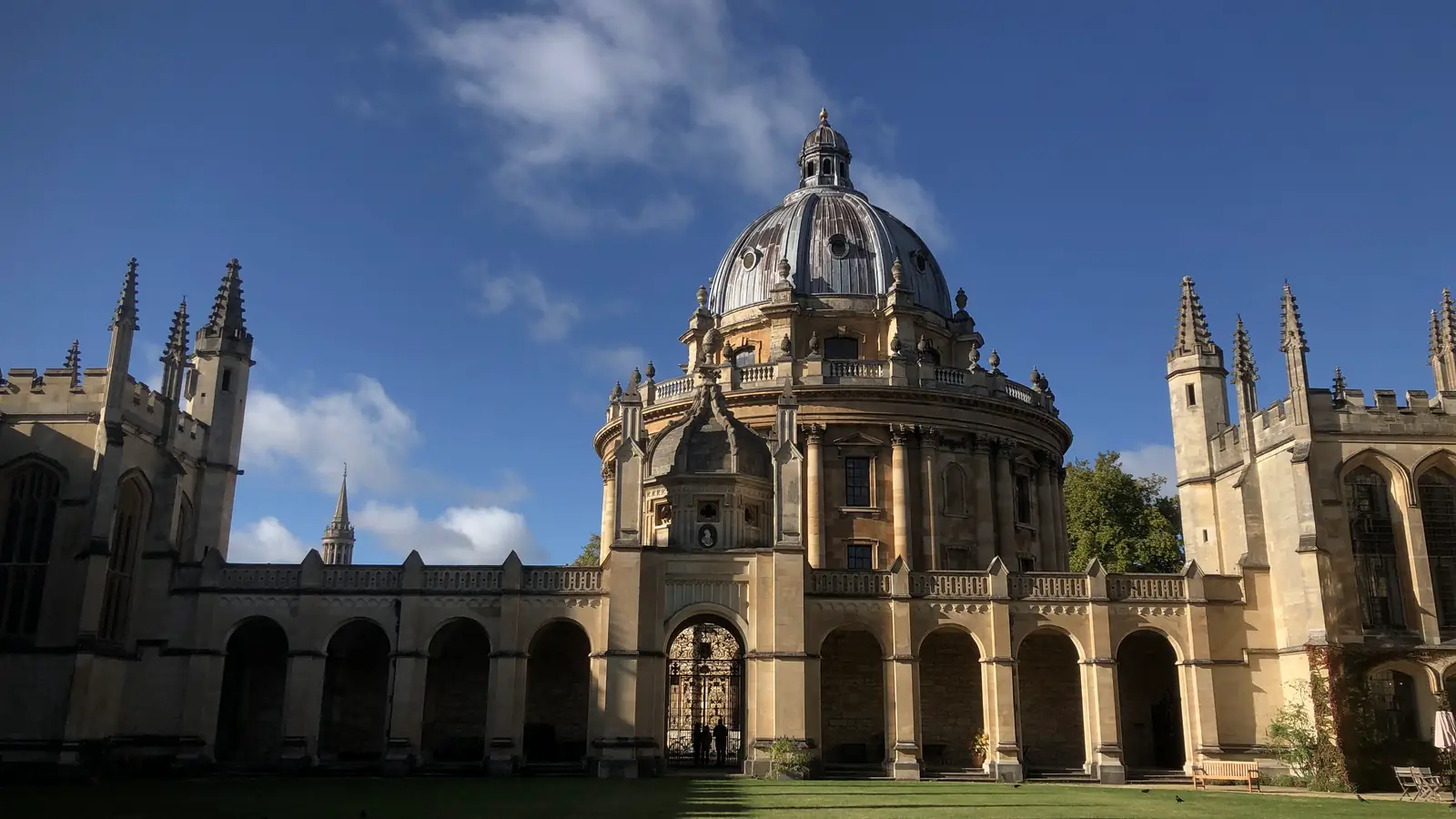
 WCAG 2.2 AA Accessibility
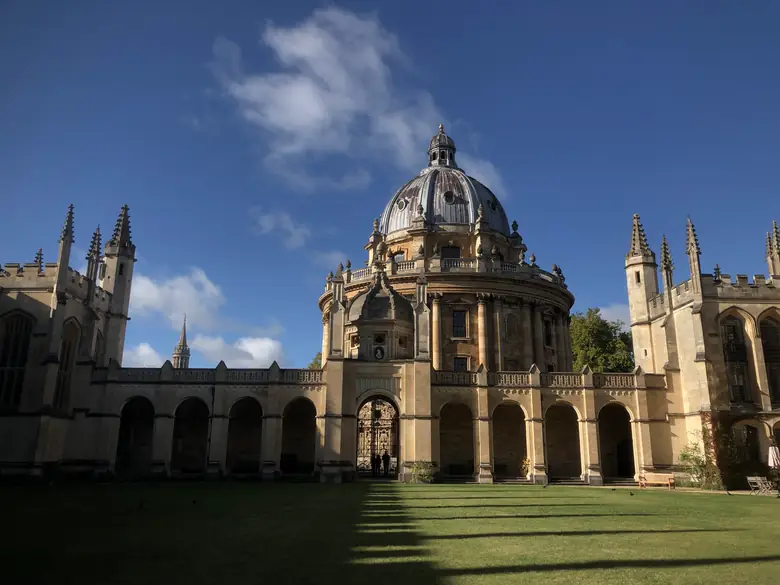
 Flutter
 Dart
 React Native
 TypeScript
 Expo
 Swift
 Xcode
 Kotlin
 Jetpack Compose
 Android Studio
 Supabase
 PostgreSQL
 Node.js
 FastAPI
 AWS
 Google Cloud
 Figma
 Google Play
 Sentry
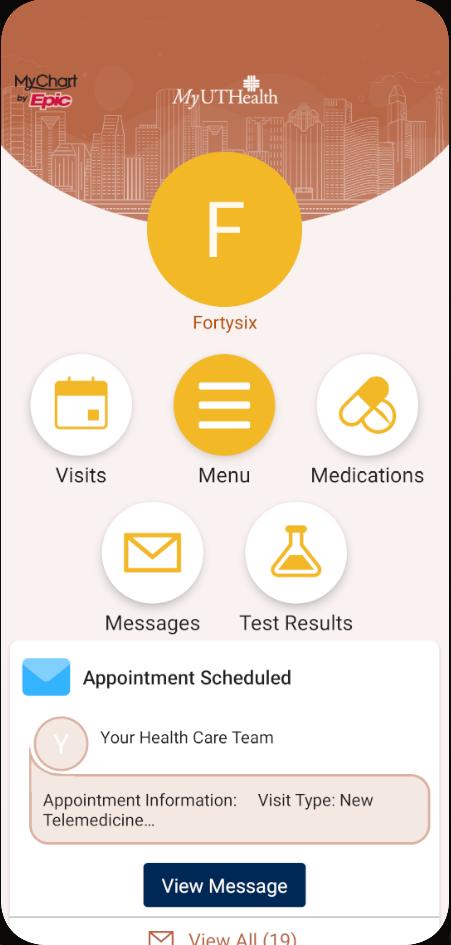 Patient portal
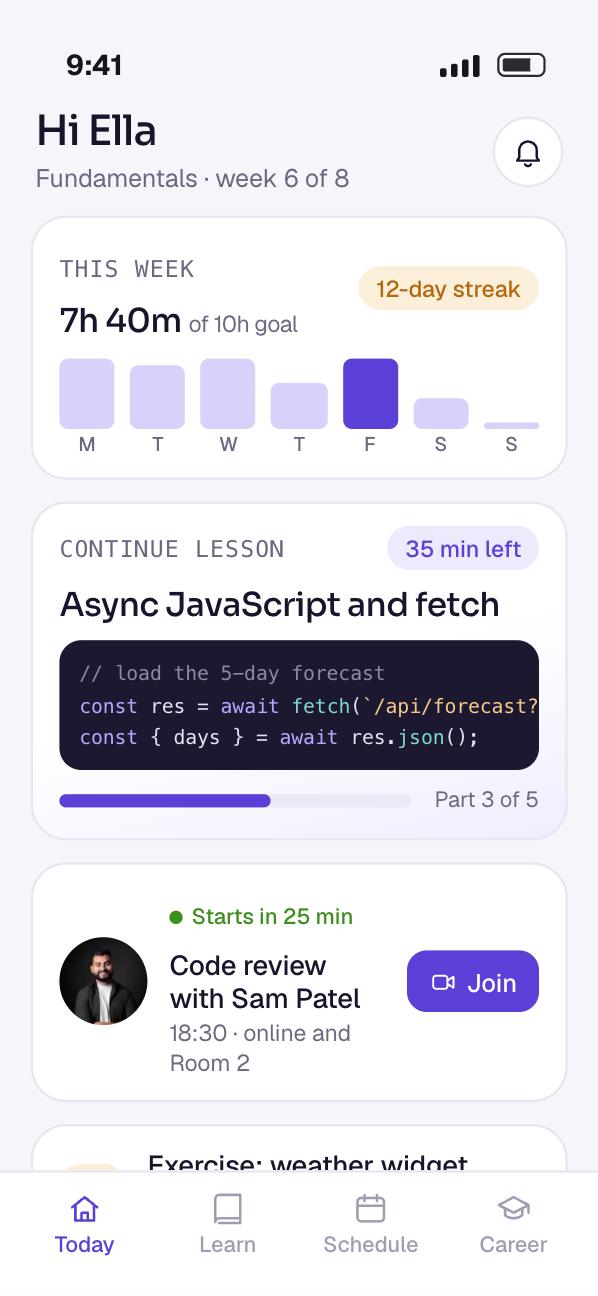 Education
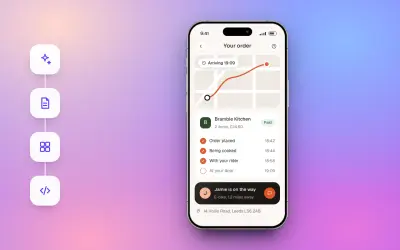 MVP developmentA first version for users and investors.
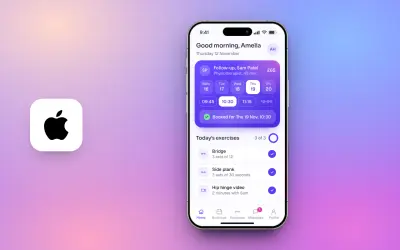 iOS app developmentNative Swift apps for iPhone and iPad.
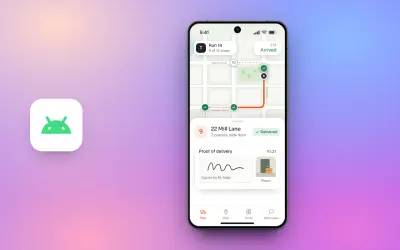 Android app developmentNative Kotlin apps for Google Play.
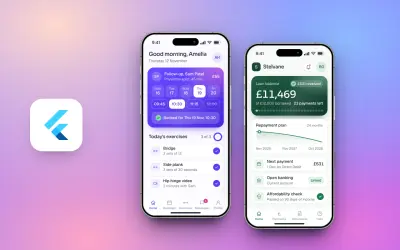 Flutter app developmentOne Flutter codebase for iOS and Android.
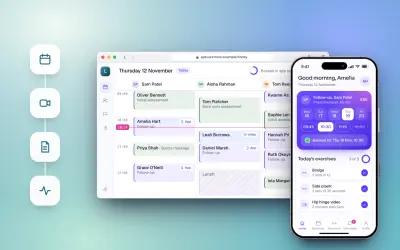 HealthcarePatient, clinic and care apps.
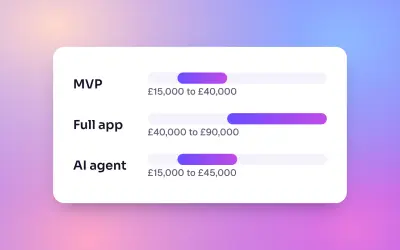 PricingWhat apps and AI agents cost, in pounds.
 LondonMobile apps for London businesses.
 ManchesterMobile apps for Manchester businesses.
 BirminghamMobile apps for Birmingham businesses.
 BristolMobile apps for Bristol businesses.
 EdinburghMobile apps for Edinburgh businesses.
 LeedsMobile apps for Leeds businesses.