AI media and entertainment app development for UK streaming, content and fan apps
Our AI media and entertainment app development covers streaming, content and fan apps on phones and TVs. Every AI feature is tested on your own titles before launch. Prices are in pounds, timelines in weeks, and the code and accounts are yours.
Code, designs and accounts in your name from the first commit
Rules this build is planned around
Ofcom rules for on-demand servicesUK-based on-demand programme services; Tier 1, UK or non-UK based, means over 500,000 average monthly UK users.
Online Safety Act dutiesApps where users post, comment, chat, upload or share AI output.
Children’s code and Protection of Children CodeApps likely to be accessed by under-18s, even if not aimed at them.
UK VAT on digital servicesPlans, rentals and downloads sold to UK consumers.
Security and compliance
Cyber EssentialsCertified
Cyber Essentials PlusIndependently tested
ISO/IEC 27001:2022Information security
ISO 9001:2015Quality management
ISO/IEC 42001:2023AI management
SOC 2 Type IIAudited controls
UK GDPR andData Protection Act 2018
ICORegistered
NHS DSPTData security toolkit
WCAG 2.2 AAAccessibility
PCI DSSCard data security
What does AI media and entertainment app development involve?
AI media and entertainment app development means building a streaming, content or fan app, then adding AI where it earns its place. A two-week discovery maps the UK rules and fixes the price. A first version takes 8 to 14 weeks, and an AI feature adds 6 to 10 weeks.
Discovery
2 weeks, fixed price set
Media MVP
8 to 14 weeks
Full app
4 to 8 months
Support
Updates, fixes and a monthly report
Which AI features do media and entertainment apps need?
All are optional; we say in discovery when plain rules do the job.
01
Picks for you and editorial rows
Viewer
On the home screen, picks learn from plays, finishes and saves; editors’ rows fill in for new viewers.
02
Search that forgives typos
Viewer
On the search screen, misspelt titles still find the film, and viewers can search by cast or director.
03
Captions and subtitles
Content team
On the player, AI drafts captions from the soundtrack and an editor approves them, and a title without approved captions cannot go live.
04
Tags and metadata drafts
Content team
In the admin panel, AI suggests genre, mood and topic tags from synopsis and subtitles; an editor approves them.
05
Report, review queue and takedown
Moderator
On comment, chat and upload screens, viewers report a post, a moderator reviews it and every decision is logged. AI flagging waits for a working queue.
Building in media and entertainment means rules you cannot get wrong. Talk them through with the developers who would build to them.
Which UK rules shape a media and entertainment app?
Six rules that may apply, as of November 2026. We are engineers, not lawyers, so your adviser confirms which apply.
Ofcom rules for on-demand services
Applies to
UK-based on-demand programme services; Tier 1, UK or non-UK based, means over 500,000 average monthly UK users.
What it changes in the build
Ofcom’s On-Demand Programme Service Rules apply now. Tier 1 designation has been in force since 1 April 2026, but its Standards and Accessibility Codes are still draft. Draft targets: 80% of the catalogue subtitled, 10% audio described and 5% signed. The maximum fine per breach will be £250,000 or 5% of qualifying revenue.
Online Safety Act duties
Applies to
Apps where users post, comment, chat, upload or share AI output.
What it changes in the build
In force: an illegal-content risk assessment is due within three months of launch. You also need a children’s access assessment, reporting and complaints, and Ofcom can fine up to £18 million or 10% of qualifying worldwide revenue. Ofcom currently treats a one-to-one AI assistant that does not search multiple websites and cannot make pornography as outside the Act. The government will look at how chatbots should be regulated.
Children’s code and Protection of Children Code
Applies to
Apps likely to be accessed by under-18s, even if not aimed at them.
What it changes in the build
Both are in force. The ICO’s Children’s code has 15 standards, including high privacy by default, minimum data, geolocation off and no nudges to weaken privacy. Ofcom’s Protection of Children Code has applied since 25 July 2025, and a service that allows the most harmful content needs highly effective age assurance.
UK VAT on digital services
Applies to
Plans, rentals and downloads sold to UK consumers.
What it changes in the build
In force: HMRC says these sales carry UK VAT at the 20% standard rate. Where a third-party platform sells for you, it accounts for the VAT; on your own checkout, you do. A seller based outside the UK must register whatever its turnover; for UK sellers, the threshold is £90,000.
App store subscription rules
Applies to
Plans and premium content sold inside iPhone and Android apps.
What it changes in the build
In force: Apple guideline 3.1.1 requires in-app purchase and asks for a restore option. Under 3.1.2, plans must last at least seven days and work on all the user’s devices, and should be described before payment. Apple takes 30%, or 15% after a subscriber’s first paid year or in its Small Business Program. Google Play’s UK fee table started on 30 June 2026; we price on the live tables.
Subscription contract rules
Applies to
Auto-renewing plans and free trials sold to UK consumers.
What it changes in the build
Draft, expected in 2027. The Department for Business and Trade’s planned rules add cooling-off after a trial or a yearly renewal, and reminders roughly every six months. They also add a straightforward way to cancel, online if bought online. We design the plan, reminder and cancel screens so these switch on without a rebuild.
Which screen does each rule change?
UK rule or store ruleWhat we build
01UK rule or store ruleOnline Safety Act duties
What we buildA report-and-remove flow with an audit log
02UK rule or store ruleChildren’s code
What we buildA children’s profile: high privacy, no personalised ads, no location
03UK rule or store ruleApple guideline 1.2 on user content
What we buildFilter, report and block, plus a published contact
04UK rule or store ruleApple guideline 3.1.1
What we buildIn-app purchase with restore
The server checks access on every play.
05UK rule or store ruleTier 1 draft codes
What we buildA subtitle track, content information and warnings on every title
06UK rule or store rulePECR consent
What we buildA consent prompt before any ad personalisation
The ICO says consent must be actively and clearly given, on phones and smart TVs alike.
“We wanted one streaming service that felt the same on phone, tablet and TV, whether people watch free with adverts, subscribe or rent a film. AppAgentix built the apps for iPhone, iPad, Android and Apple TV and the service behind them. They got the hard parts right: playback that starts quickly, a home screen that works with a TV remote, and billing that stays correct. The Android app has passed 50,000 downloads.”
“Amara is built around creators, so posting had to be effortless: posts, short videos, Stories, recipes and workouts, with each creator deciding who sees what. AppAgentix built it for iPhone and Android from one codebase, and what I value most is the video: uploads process in the background, playback starts fast and holds up on mobile data. Moderation and audience controls were built properly, not as an afterthought. They worked like part of our team.”
“Our patients needed the portal in their pocket: requesting visits, reading test results, reordering medicines and messaging their care team. AppAgentix built the Android app on our Epic MyChart system, careful where it matters: secure sign-in, no clinical detail on the lock screen, and patients choose what fitness data they share. The app has passed 50,000 downloads with 4.4 stars from over 750 reviews, and every release was tested before it reached our patients.”
Black Movies & TV: watch free, take a plan or rent
What we built
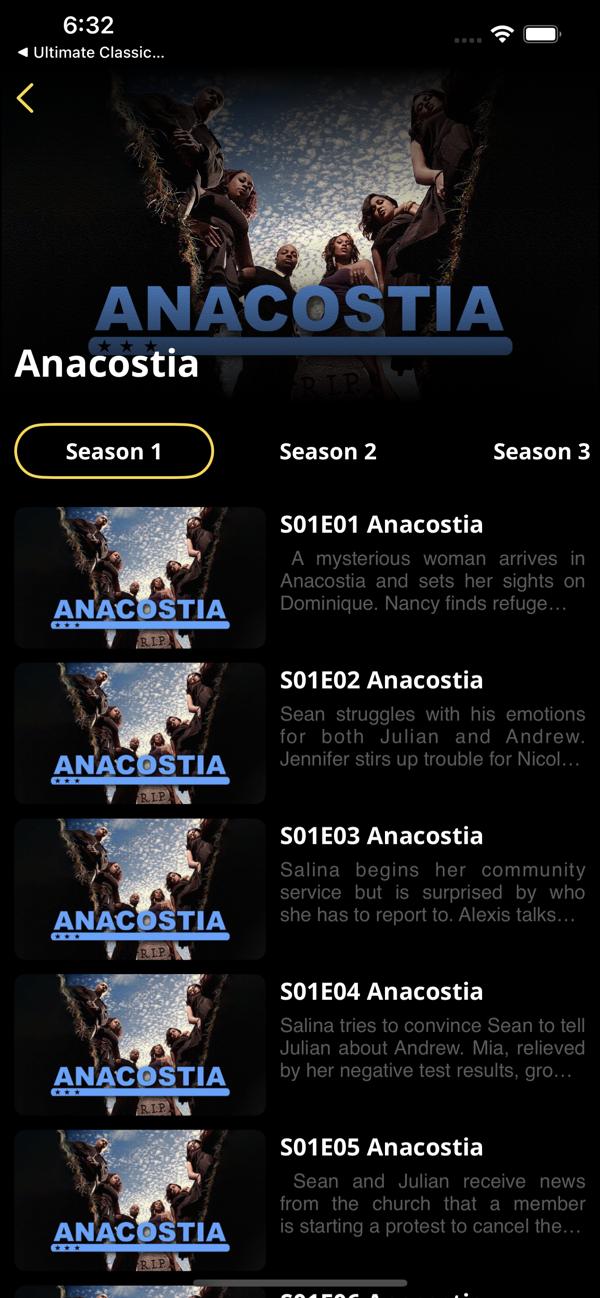
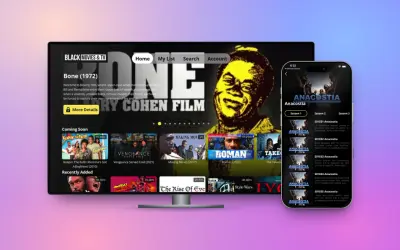
We built Black Movies & TV so viewers can watch with ads, pay for a plan or rent one film in one app. It streams over adaptive HLS, restores past purchases and runs on Flutter, a Java server, PostgreSQL and a CDN. Our rule for paid video: the server decides access, never the app.
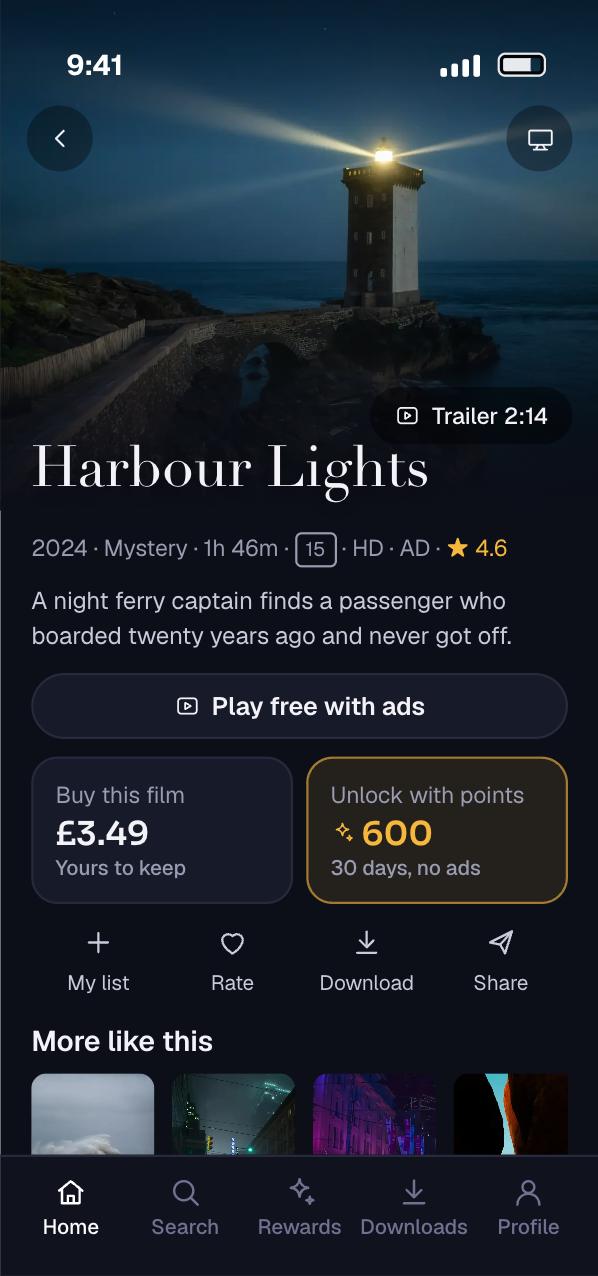
We built the streaming service app for an entertainment business, with live channels, titles on demand, profiles, parental controls and personalised picks. Viewers subscribe, buy a title, or spend earned points on one title or a timed pass, and staff work from an admin dashboard.
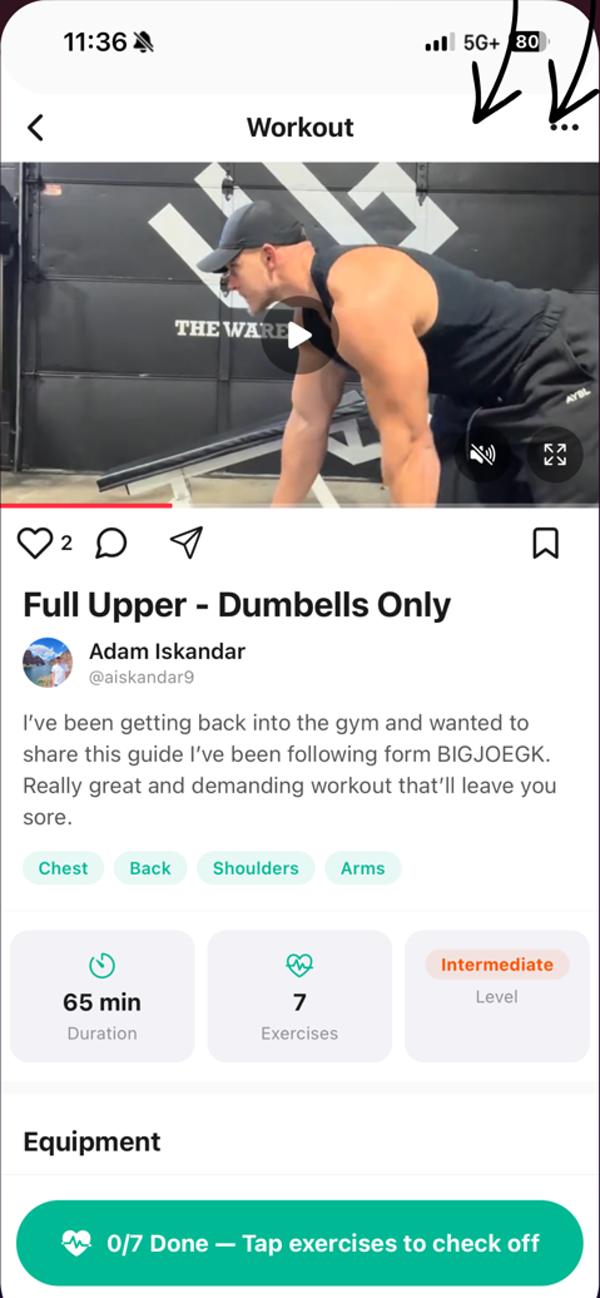
We built Amara Social for creators who share recipes, workouts, blogs, Stories and short clips. Members pick who sees each post, and reporting and removal tools handle rule breaks. Clips are compressed and cached to start fast, and the app runs on React Native, Node.js and AWS. For fan features, we build a review queue on the same reporting pattern.
Pick by today’s problem; each choice names the test it must pass.
What is the biggest problem right now?
IfViewers give up before choosing a title
ChoosePicks for you
Tested against a week of viewing held back from training.
IfCaptions and tags are piling up
ChooseDraft captions and tags an editor approves
We test 50 clips first, and nothing publishes unreviewed.
IfSupport keeps answering plan and title questions
ChooseAn assistant answering from your catalogue and policies
A website question bot is the lighter option. Either must refuse questions its sources cannot answer.
IfViewers can post, comment or chat
ChooseThe report and review queue first
Add AI flagging once the queue has a record of decisions, and we reuse the reporting and removal pattern of Amara Social.
IfYour audience is still small
ChooseNo AI yet
Editorial rows and good search do the job.
What does the AI test report show?
You read this before launch, and it covers an imaginary streaming app, with each pass mark set before testing.
ExampleExample AI test report, release candidate 1.0AppAgentix
Check
Test set
Result
What happens next
New viewer sees editorial rows
20 new profiles
20 of 20, Pass
None
Picks match a held-back week of viewing
100 profiles, pass mark 90
91 of 100, Pass
Rerun monthly on a fresh week
An adult title stays blocked on a children’s profile, even by direct link
40 attempts
38 of 40, then 40 of 40, Pass after fix
An API filter now checks each request against the limit
A title with no caption file cannot go live
25 titles
25 of 25, Pass
None
Draft captions the editor accepts unchanged
50 clips, pass mark 45
41 of 50, Open
Launch with an editor approving every caption; test more accents
Tags match the editor’s tags
50 titles
47 of 50, Pass
The 3 misses join next month’s test set
An example, not a client record, and nothing goes live until you have read it, misses included.
Estimate your media app in a minute
Pick what your media app needs first.
Included to start: Discovery, design, browse, play, search, email or Apple sign-in, titles loaded by file and store release. 8 to 10 weeks.
What do you pay your providers each month, besides us?
Billed to your own accounts; the quote shows a low, expected and high month.
Topic
Cost line
Who bills it
How it shows on your quote
Video encoding and storage
Preparing and keeping each title
Your cloud or video provider
Monthly range
Delivery to viewers
Streams sent through a CDN
Your CDN provider
Monthly range
Hosting and database
Servers, data and backups
Your cloud provider
Monthly range
AI model usage
Picks, captions or an assistant
The model provider
Monthly range, with no mark-up from us
Store fees
A share of in-app sales
Apple or Google
Apple’s 15% or 30%, or Google’s live rate
Support
Updates, fixes and a monthly report
AppAgentix
Monthly fee
Every rate is on our app development cost page. If we do not deliver what the written scope promises, we refund what you paid for the undelivered work within 7 days.
Where does AI sit in a media app, and where must it stay out?
Our view: ordinary code decides who may watch, and AI only ranks, tags or drafts. A model error then cannot show a paid or adult title to the wrong viewer.
01Viewer presses play
On a phone, tablet or TV
02API checks plan and parental limit
Ordinary code, never AI
03Playback service sends the stream
Through short-lived signed links
04AI ranks, tags or drafts
It never decides who may watch
05Signals feed back
Viewing and editor approvals shape the next picks
Step 05 feeds step 01: the loop repeats
How does streaming app development in the UK run, from idea to store?
Weeks 1 to 201
Discovery
Rules map, catalogue check, scope and a fixed quote.
Weeks 2 to 402
Design
Screens tested with five real viewers.
Weeks 4 to 1103
Build
Two-week sprints, each ending with a build on your phone.
Week 1104
Test run
AI runs on your own titles, and you read every miss.
Week 1205
Launch
Store release under your accounts, and TV apps add 2 to 4 weeks.
The ten questions discovery starts with: users, the jobs they need done, systems to connect, rules, deadline and budget. Fill it in, attach nothing else, and the first call starts at the right place.
Start with two weeks of discovery: a rules map, a catalogue check, the scope and a fixed quote. Then test screens with five real viewers, build in two-week sprints and test before launch, and TV apps add 2 to 4 weeks.
How much does it cost to start an OTT platform?
In one example we priced, starting a subscription OTT platform costs £51,250 in the first year, excluding VAT. That covers discovery, a build for both phones with one plan, admin and profiles, and AI picks for you. Fixes for three months are included, and support runs for months 4 to 12. Video hosting, delivery and store fees are billed to your own accounts on top. Price your own version with the calculator on this page.
Which OTT platform is profitable?
No model is profitable by default. It makes money when viewers want the catalogue, paying is simple and costs stay below revenue, so plan store fees, delivery and support first.
Do streaming platforms make money?
Streaming platforms can make money by mixing ads, subscription plans and rentals in one app, as Black Movies & TV does. Its streaming service app also lets viewers spend points on a title or a timed pass. Apple takes 15% of each plan payment after a subscriber’s first paid year, or inside the Small Business Program. Outside it, the standard 30% applies in the first paid year. The Small Business Program covers up to 1 million USD in proceeds.
Is it legal to use AI to build an app?
In our view, yes, because the rules for a media app cover what the app does, not the tools that built it. If fans can post or chat, the Online Safety Act needs an illegal-content risk assessment within three months of launch. The government’s report on copyright and AI says the UK has no duty to label AI-made content today.
Can ChatGPT build me an app?
In our view, not a streaming app people pay for, though AI tools can produce a prototype. In our builds, the server decides access on every play, through short-lived signed links. A parental limit, a review queue for fan posts and AI tested on your own titles need a team behind them. Our engineers use AI tools to work faster.
More than 95% of our projects are delivered on or before the agreed date. About 60% of our clients come back for a second project.
What happens next
1We reply within 30 minutesEvery day of the year. A developer at our AI development company, not a sales team, reads your brief.
2A 30-minute callWe ask about users, deadlines and the systems you already run.
3A written view in two working daysScope, timeline and a price range, yours to keep.
Thank you. Your brief is in.
A developer, not a sales team, reads it. We reply within 30 minutes, from info@appagentix.co.uk.
We use cookies to run this site and, with your permission, to understand how it is used. Cookie policy · Privacy policy
Let’s make your AI project the one that ships.
More than 95% of our projects are delivered on or before the agreed date. About 60% of our clients come back for a second project.
What happens next
1We reply within 30 minutesEvery day of the year. A developer at our AI development company, not a sales team, reads your brief.
2A 30-minute callWe ask about users, deadlines and the systems you already run.
3A written view in two working daysScope, timeline and a price range, yours to keep.
We wanted one streaming service that felt the same on phone, tablet and TV, whether people watch free with adverts, subscribe or rent a film. AppAgentix built the apps for iPhone, iPad, Android and Apple TV and the service behind them. They got the hard parts right: playback that starts quickly, a home screen that works with a TV remote, and billing that stays correct. The Android app has passed 50,000 downloads.
Michael S.CEO and Co-Founder, Play Now Media
Thank you. Your brief is in.
A developer, not a sales team, reads it. We reply within 30 minutes, from info@appagentix.co.uk.
 WCAG 2.2 AAAccessibility
 ReactThe library for web and native user interfaces
 Next.jsThe React framework for web applications
 TypeScriptTyped JavaScript that catches errors early
 FigmaScreens and clickable prototypes you can test
 Anthropic ClaudeClaude Fable 5.2, Opus 5.5, Sonnet 5.5, Haiku 5.5
 Google GeminiGemini 4 models for text, images, audio, video and PDF
 OpenAI GPTGPT-6 Astra, OpenAI’s flagship for reasoning and code
 Mistral AIOpen-weight and commercial language models
 Model Context ProtocolOpen standard connecting AI apps to tools and data
 LangGraphOrchestration for long-running, stateful agents
 LangSmithTraces and evaluations for LLM applications
 LangfuseOpen-source tracing, prompts and evaluation
 PythonLanguage for web development and scientific work
 FastAPIFast Python framework for typed APIs
 Node.jsJavaScript runtime for scalable network applications
 PostgreSQLOpen-source database; pgvector adds vector search
 RedisIn-memory store for caching and live messages
 SupabasePostgres database with sign-in and file storage
 AWSCloud hosting with a London region
 CloudflareContent delivery, caching and attack protection
 GitHub ActionsCI/CD platform to automate build, test and deployment
 SentryCaptures errors and alerts you with full context
 Generative AI developmentAI features that write, summarise and search.
 MVP developmentA first version for users and investors.
 Flutter app developmentOne Flutter codebase for iOS and Android.
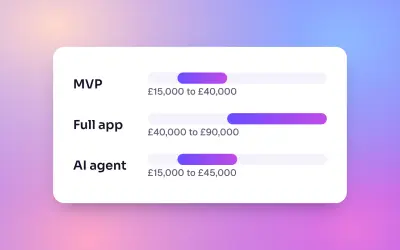 PricingWhat apps and AI agents cost, in pounds.
 DatingMatching, chat and safety features.
 Black Movies & TVA streaming app for films from Black creators, on phones and TVs.